
Reggio Emilia
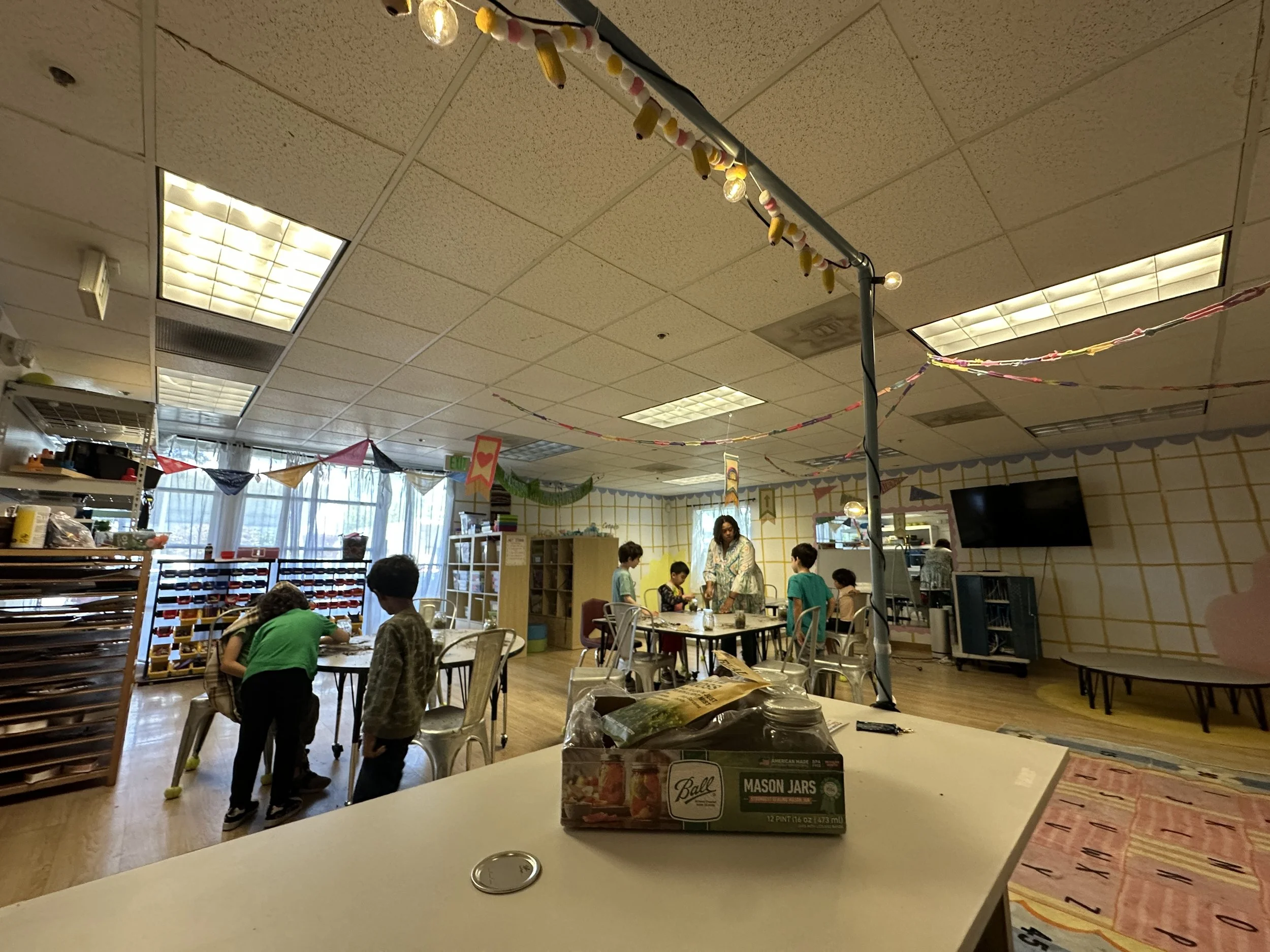
UP Academy’s Innovation Lab (Atelier)
The “THIRD TEACHER” AT UP
In the Reggio Emilia approach, the environment is considered a third teacher. Thoughtfully designed spaces invite children to explore, collaborate, create, and make their own discoveries. Loose pieces are especially important because the belief in the “unique potential” of each child means there is not a uniform cookie cutter learning outcome. Children can move, combine, arrange, and transform them in countless ways, allowing curiosity, creativity, problem solving, and imagination to flourish. This process can look messy, but its mess is by design, as students “mess upwards” by doing, reflecting, and then doing some more!
UP Academy 的“第三位老师” 在瑞吉欧教育理念中,环境被视为孩子的第三位老师。经过精心设计的空间会鼓励孩子主动探索、相互合作、自由创造,并获得属于自己的发现。 松散材料尤其重要。我们相信每个孩子都拥有自己的独特潜能,因此,学习不应该要求所有孩子取得完全相同、千篇一律的成果。孩子们可以用无数种方式移动、组合、排列和改变这些材料,让好奇心、创造力、解决问题的能力和想象力蓬勃发展。 这个过程有时看起来有些杂乱,但这种“乱”正是设计的一部分。学生通过动手实践、认真反思,然后继续尝试,在“乱”中不断成长和进步!
UP Academy’s Reggio-inspired environment is built upon our teachers’ many years of training and experience with Reggio. But what is the Reggio Emilia approach?
Its modern origins are in Italy after World War II
The Reggio Emilia approach is relatively recent compared with many other progressive educational philosophies. It emerged in and around the northern Italian city of Reggio Emilia after World War II. Local families, later joined by educator and psychologist Loris Malaguzzi, sought to create a new form of education that could help rebuild a democratic society through its next generation.
These new schools were founded on respect for children and their ultimate potential. The approach recognizes that children express their ideas and understanding in a “hundred languages,” including words, movement, art, construction, dramatic play, music, and many other forms. Children are given freedom to explore, access to a wide variety of loose materials, and support through careful observation and thoughtful questioning.
Children and adults, including teachers, parents, and community members, work side by side as collaborators. Rather than directing every step of learning, adults listen, observe, ask questions, and help children find their ideas in the materials, spaces, nature, and cities around them.
The Reggio Emilia approach also views a thoughtfully designed classroom as a “third teacher.” The parks, businesses, neighborhoods, and people surrounding a school also teach children how to thrive within and be responsible for their community.
Because this approach is deeply connected to place, it looks different in every community. A Reggio-inspired school in Northern California should not look exactly like a school in Northern Italy. The goal is not to copy the community of Reggio Emilia, but to apply its principles intentionally within the San Mateo community. Its post-World War II history remains essential because the philosophy grew from a desire to develop critical thinking, participation, creativity, and social connection in young learners at a time of immense societal and technological changes.
A deeply child centered approach
At the heart of the Reggio Emilia philosophy is the belief that children are competent, capable, and naturally curious. Learning is not simply delivered to them. It grows from their interests, questions, relationships, and experiences. Children learn to be responsible for their learning, life, and community by doing it, practicing, messing up, reflecting, and doing some more, and “messing upwards.”
Teachers support this learning through the intentional preparation of spaces, materials, and experiences. Academic planning creates opportunities for open exploration instead of relying solely on scripted instruction with identical outcomes for every child. Teachers carefully observe children, ask thoughtful questions, and document their words, actions, and creations. This process makes children’s thinking visible to their teachers, families, and, most importantly, the children themselves.
The role of parents
Collaboration is a central principle of the Reggio Emilia approach. Educators, parents, and children are viewed as learning partners who each contribute to the educational process. Adults bring knowledge, resources, and coaching, but they do not dominate learning. Instead, they listen carefully, ask open questions, and support children’s investigations by providing useful materials, meaningful experiences, and opportunities to engage with the world beyond school.
Documentation is an important part of this collaborative process. Teachers record children’s conversations, work, questions, and discoveries to better understand their thinking and share their progress. At UP Academy, this documentation is collected in student portfolios.
Parents and community members are also essential contributors. They enrich children’s learning by sharing their expertise, experiences, cultures, and perspectives. This partnership strengthens learning and teaches children that education, their school community, and society are shared responsibilities that rely on collaboration. It is why the first unit of every year starts with the questions of: “Who is my community?” and “What roles and services do I and others play in it?”
At UP Academy, our vision, established by our founder, Tanya Sheckley, is to create experiences that allow every child to discover, by doing, their own unique potential, and to empower them to make a positive difference in the world.
UP Academy 以瑞吉欧教育理念为启发的学习环境,建立在教师们多年来接受的专业培训和丰富实践经验之上。那么,什么是瑞吉欧教育理念呢?
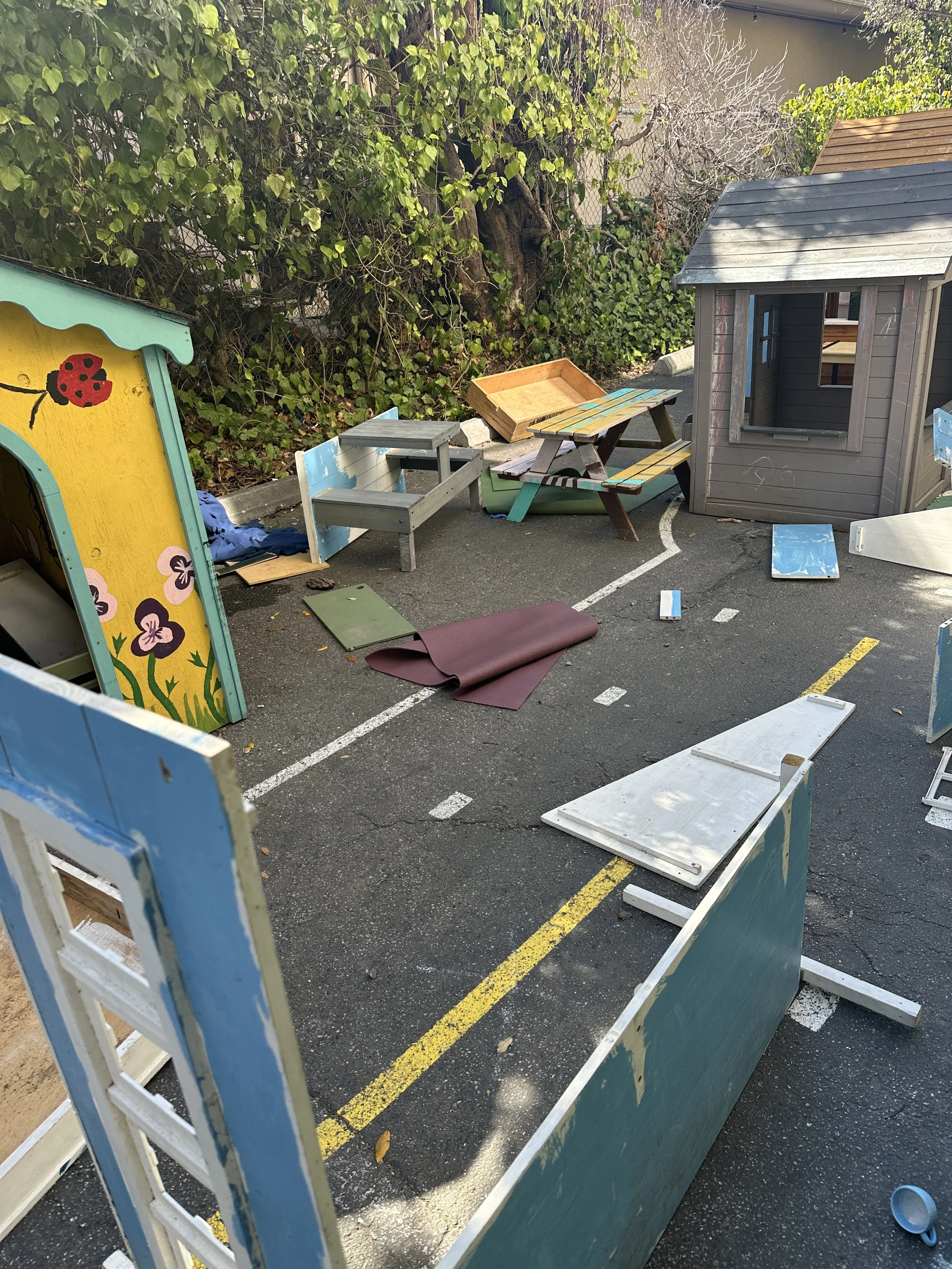
Loose Pieces at UP Academy
它的现代起源可以追溯到第二次世界大战后的意大利
与许多其他进步教育理念相比,瑞吉欧教育理念的历史相对较短。第二次世界大战结束后,它诞生于意大利北部的瑞吉欧艾米利亚市及其周边地区。当地家庭希望创办一种全新的教育模式,通过培养下一代来帮助重建民主社会。后来,教育家和心理学家洛里斯·马拉古齐也加入了他们的工作。
这些新学校建立在尊重儿童及其无限潜能的基础上。瑞吉欧教育理念认为,孩子可以通过“一百种语言”表达自己的想法和理解。这些“语言”包括口头表达、肢体动作、艺术、建构、戏剧游戏、音乐,以及许多其他形式。孩子们拥有自由探索的机会,可以接触各种各样的松散材料,并通过教师的细心观察和启发式提问获得支持。
孩子与成人,包括教师、家长和社区成员,以合作伙伴的身份并肩学习。成人不会安排和指挥学习过程中的每一步,而是认真倾听、细心观察、提出问题,并帮助孩子从周围的材料、空间、自然环境和城市生活中发现和发展自己的想法。
瑞吉欧教育理念也将经过精心设计的教室视为孩子的“第三位老师”。学校周围的公园、商店、社区和人们同样能够教育孩子,帮助他们学习如何在社区中健康成长并承担责任。
由于这一教育理念与当地环境紧密相连,因此它在每个社区中的实践方式都会有所不同。北加州以瑞吉欧理念为启发的学校,不应该与意大利北部的学校完全相同。我们的目标不是照搬瑞吉欧艾米利亚市的教育模式,而是有意识地将其核心理念融入圣马特奥社区。
瑞吉欧教育理念在第二次世界大战后的历史背景也十分重要。在那个社会和科技都发生巨大变化的时代,这一理念源于人们希望从小培养孩子的批判性思维、社会参与、创造力和与他人建立联系的能力。
以儿童为中心的教育理念
瑞吉欧教育理念的核心是相信每个孩子都有能力、有潜力,并且天生充满好奇心。学习不是由成人单方面传授给孩子的,而是从孩子的兴趣、问题、人际关系和生活经验中自然产生的。
孩子通过亲身实践,学习为自己的学习、生活和社区承担责任。他们不断尝试、练习、犯错、反思,然后继续尝试,在这个过程中**“通过试错不断向上成长”**。
教师通过精心准备学习空间、材料和体验来支持孩子的成长。课程规划为孩子创造自由探索的机会,而不是只依赖固定的教学脚本,也不要求每个孩子取得完全相同的学习成果。
教师会细心观察孩子,提出启发思考的问题,并记录他们的语言、行动和创作。这个过程让孩子的思考方式变得清晰可见,使教师、家庭,以及最重要的孩子自己,都能更好地理解他们的学习过程。
家长的角色
合作是瑞吉欧教育理念的核心原则。教师、家长和孩子都是学习伙伴,每个人都能为教育过程作出贡献。成人会带来知识、资源和指导,但不会主导孩子的学习。相反,他们会认真倾听,提出开放式问题,并通过提供适合的材料、有意义的体验,以及接触校外真实世界的机会来支持孩子的探索。
记录也是这一合作过程中的重要部分。教师会记录孩子的对话、作品、问题和发现,从而更好地理解他们的思考方式,并与家庭分享他们的学习进展。在 UP Academy,这些记录会被整理并保存在每位学生的成长档案中。
家长和社区成员也是孩子学习过程中不可缺少的参与者。他们通过分享自己的专业知识、生活经验、文化和观点,丰富孩子的学习体验。这种合作关系不仅能够促进学习,也能让孩子明白,教育、学校社区和整个社会都是需要大家共同参与、相互合作和承担责任的。
因此,我们每个学年的第一个学习单元都会从两个问题开始:“谁是我的社区成员?”以及“我和其他人在社区中分别承担什么角色,提供什么服务?”
UP Academy 的愿景由创校人 Tanya Sheckley 确立。我们希望创造丰富的学习体验,让每个孩子通过亲身实践发现自己的独特潜能,并赋予他们为世界带来积极改变的能力。